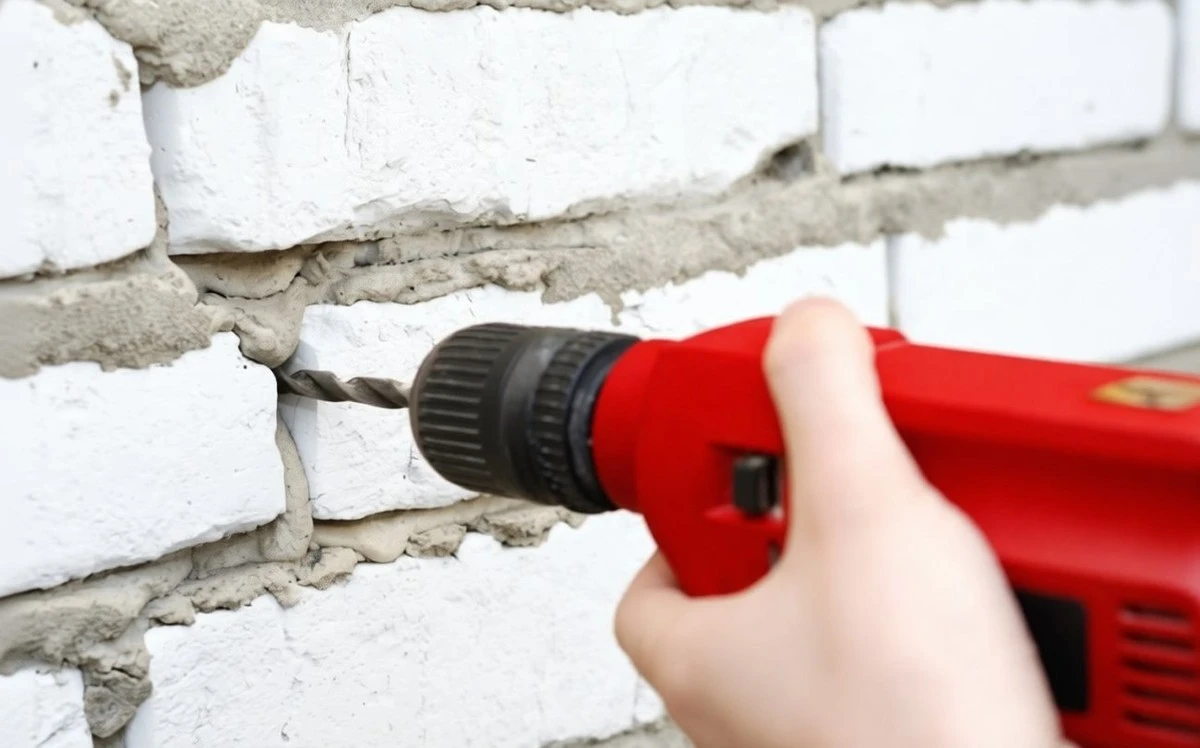
Cracked brick after drilling is a common frustration that can ruin a perfectly good wall and make mounting anything impossible. Many homeowners try to power through it, only to end up with unsightly fissures and a wobbly fixture. But what if I told you there’s a precise, almost artful way to bore through brick that guarantees a clean hole every time? Forget the brute force; it's all about understanding the material and using the right technique. This guide will show you how to avoid those dreaded cracks, no matter the type of brick.
Why your brick is cracking (and what to do about it)
We often treat all brick walls the same, but the truth is, they are as distinct as fingerprints. The type of brick, its age, and its density all dictate the best drilling approach. Trying to brute-force a delicate, old brick is like trying to chop down a sapling with an axe – messy and destructive. The key to avoiding cracks lies in respecting these differences.
New vs. Old Brick: The Crucial Distinction
New, solid brick can handle a lot more pressure. If you’re mounting something sturdy, drilling directly into a solid brick is your best bet. However, if your brick is showing its age, or worse, already has tiny fissures, you need to be much gentler. In such cases, targeting the mortar joint instead of the brick itself is a much smarter move. This way, you’re not stressing the fragile parts of the brick at all.
Hollow vs. Solid Brick: A Tale of Two Drills
Hollow brick is notoriously fragile. Imagine drilling into a delicate pastry – one wrong move and it crumbles. For these, **always use a non-hammer setting**. The vibrations from a hammer drill can easily shatter the thin walls of hollow bricks. Solid brick, on the other hand, is more forgiving. You can start without the hammer setting and then, once you’re about 5mm into the material, switch it on to speed things up. It’s about easing into the tougher stuff.
Choosing the Right Tool for the Job
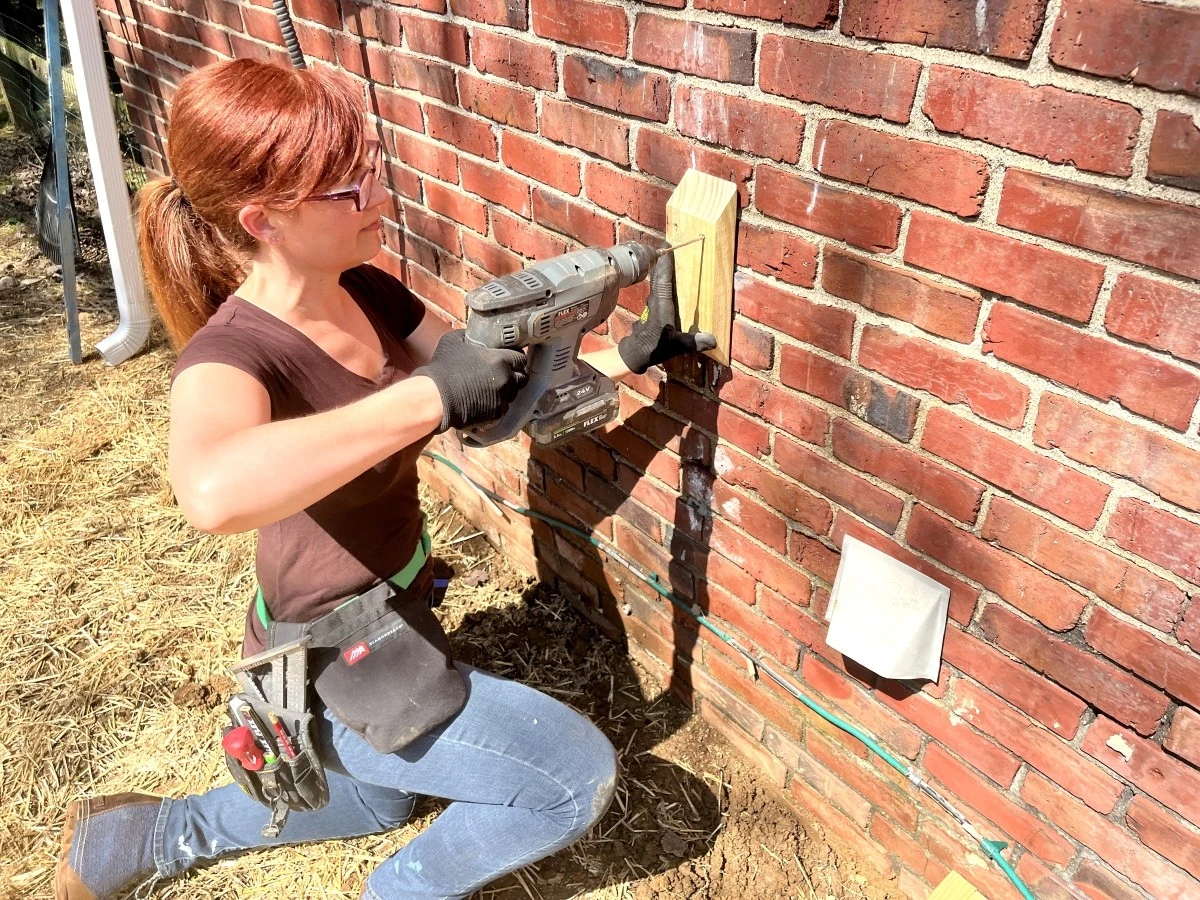
Your drill bit choice is as vital as your technique. For shallow holes (up to 3 cm), a standard carbide-tipped drill bit will often suffice. But for hanging heavy items or creating deeper holes, a hammer drill or even a rotary hammer is often necessary. The right tool makes the job easier and, crucially, safer for your brick.
When brute force isn't the answer: Special brick types
- Silicate brick (vápenopísková cihla): surprisingly, this type is quite soft. You can often get away with a simple wood drill bit here without much risk of damage.
- Ceramic brick & blocks (keramické cihly a tvárnice): these have a medium density. Use a carbide bit for concrete or a specific tile bit. They drill well with the right approach.
- Clinker brick (klinker cihla): This is the heavyweight champion of brick. It’s incredibly dense. You’ll need diamond-tipped bits or core drills, and crucially, keep the drill speed moderate. High speeds mean overheating and rapid wear on your expensive tools.
The Universal Hack for Unknown Bricks
Unsure what you’re dealing with? A good compromise is a spade bit for stoneware tiles. These offer excellent precision and work on most brick types. Be aware, though, that one bit might only last for about 8-10 holes, so it’s a bit of a disposable gem. For larger holes, like those for electrical boxes or ventilation, diamond core bits are the professional's choice. They’re durable and can handle even the hardest brick.
The Takeaway: Drill Smarter, Not Harder
Successfully drilling brick is less about raw power and more about smarts. Understanding your brick type, selecting the correct drill bit, and employing the right settings will save you from cracks and ensure your fixings are secure. It’s about respecting the material and letting the right technique do the heavy lifting.
Have you ever encountered a particularly stubborn brick wall? Share your experiences and tips in the comments below!