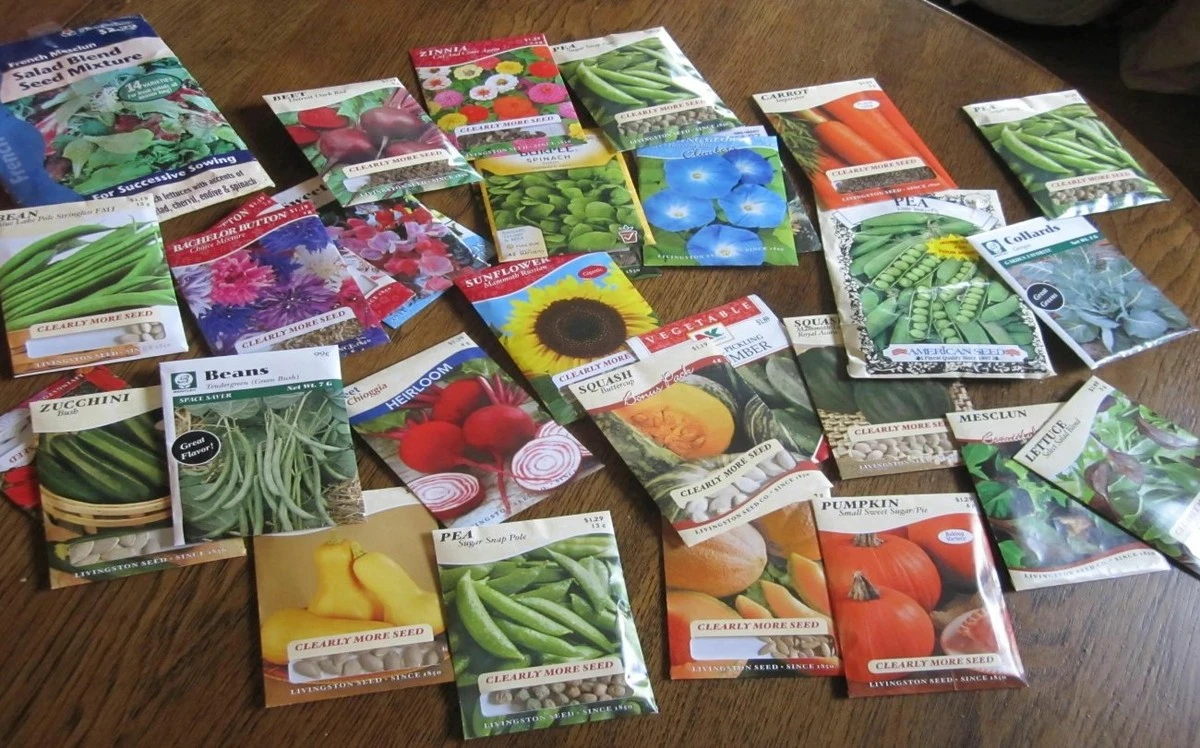
With the end of the growing season in sight, many gardeners are already thinking about the next one. And one of the most crucial steps is choosing seeds. Not everyone grows such varieties that allow you to collect seeds yourself. The quality of what you buy directly impacts your future harvest. That's why it's essential to approach this task responsibly.
Here are simple rules that will save you time, money, and ensure you get the results you want. Knowing the key criteria for selection will protect you from low-quality goods and dishonest sellers.
Where to buy seeds: The "trusted source" principle
Buying seeds directly from the manufacturer is generally the most reliable option. It's a kind of quality guarantee in itself. However, even with proven companies, seeds of the same variety can differ depending on the year of collection due to weather conditions and other factors. So, even when buying from the producer, pay attention to additional characteristics.
Establishing a long-term relationship with one sales point significantly reduces risks. Specialized stores usually strictly adhere to the storage conditions for sowing material, which is critical for maintaining germination. Buying seeds at markets, in underpasses, or from random sellers on trains is a real lottery. In such places, it's impossible to guarantee proper storage, meaning germination can be significantly reduced.
The opinions of those "in the know" are worth their weight in gold
Before you try the product of a new manufacturer, it's wise to study the opinions of experienced gardeners. The feedback from fellow enthusiasts helps form an objective picture of the product's quality and avoid unfortunate purchases. Today, it's easy to find such information thanks to specialized forums and social media groups.

What to look for: Inspecting the goods
Immediately before purchasing, you should visually inspect the product. If the seller is selling seeds in an unheated or damp premise, this is a serious reason to refuse the purchase. Damp packages indicate violations of storage conditions. High-quality sowing material should pour freely inside the package, not lie in a clump, which indicates high humidity.
Packaging: A small detail with huge importance
The packaging plays a crucial role in selecting seeds. It must clearly display all information about the manufacturer, including the full company name and contact details. Detailed information about the variety or hybrid with a description of the plant's main characteristics is mandatory. The batch number and harvest date allow you to trace the origin of the material and assess its freshness.
- A competent manufacturer always indicates the expiration date and packaging date of the product.
- The weight of the contents should match the stated amount.
- The presence of references to technical specifications (TU, GOST, or OST) confirms compliance with quality standards.
The absence of any of these points should alert the buyer and be grounds for refusing to purchase such goods.
The small print that saves your harvest
A comprehensive approach to choosing seeds, including checking the manufacturer's reputation, storage conditions, and packaging quality, significantly increases your chances of a successful harvest. Following these simple recommendations will help you avoid typical mistakes and not waste money on low-quality seeds.
What is the most common mistake you've made when buying seeds? Share your experiences in the comments!